When the Bank of Canada makes an interest rate announcement, one of the first questions we hear from clients is: “What does this mean for me?”
Today’s answer is relatively straightforward: Today’s decision won’t suddenly make homes more affordable or dramatically increase purchasing power. What it does do is reinforce the stability that has been returning to the market, giving buyers greater confidence to move forward with their plans instead of waiting for the next rate announcement.
While rate decisions always generate headlines, what’s often more important for buyers and sellers is the confidence that comes from a predictable lending environment. After several years of rapid rate increases, uncertainty became one of the biggest challenges facing the housing market. Buyers were hesitant to commit. Sellers were unsure how the demand might shift. Mortgage costs seemed to change every few months. Today, we’re operating in a different environment.
Stability Is Bringing Buyers Back
Across Toronto’s family-oriented neighbourhoods, we’re seeing many buyers become more active; not necessarily because rates are low, but because they are more predictable.
When financing costs become more stable, buyers can spend less time trying to predict the next Bank of Canada announcement and more time focusing on finding the right home.
For many families, waiting for the “perfect” rate is no longer the primary focus. Instead, they’re asking practical questions regarding neighbourhood suitability, practical needs and affordability.
What This Means for Sellers
For homeowners considering a move, today’s announcement is another signal that buyer confidence continues to improve.
Serious buyers remain active, particularly in established neighbourhoods where demand remains strong due to desirable schools, walkable streets, parks, and access to transit. The reality is that life doesn’t stop because interest rates change. Families continue to grow, job opportunities arise and housing needs evolve. Those factors continue to drive real estate decisions regardless of the rates.
The Bigger Picture
Rate announcements matter, but they’re only one piece of a much larger picture.
Your timeline, financial comfort level and long-term plans will always have a greater impact on your decision than trying to perfectly time the market.
Our Take
Today’s announcement doesn’t dramatically change the Toronto housing market, but it provides a sense of consistency and predictability.
As we move through the remainder of the year, we’ll continue to watch economic indicators, mortgage trends and local market activity closely. But for now, today’s announcement reinforces what we’re already seeing; a market that is gradually adjusting to a more stable environment.
If you’re wondering how today’s rate decision might impact your plans, we’d be happy to discuss your specific situation and help you understand what it means for your next move. Reach out to us at clientcare@lomeirwin.com
If you’ve already experienced the zoo, the aquarium and every major museum, this one’s for you. Here are some lesser-known Toronto-area March Break ideas that families love.
While many families don’t think of theatre for March Break, YPT’s smaller puppet and movement-based productions are ideal for younger kids. The current production, Love You Forever and More Munsch allows you to step inside the world of Robert Munsch, Canada’s best-loved children’s author!
Why parents love it:
Short run times
Intimate theatre setting
Imaginative storytelling without screens
It’s a great introduction to live performance and a calm break from overstimulating attractions.
For families craving fresh air without leaving Toronto, the High Park Nature Centre runs guided walks, animal talks, and drop-in activities focused on early spring wildlife.
Features:
Educational activities
A zoo for animal-loving kids
Everything High Park has to offer without the summer crowds
March Break Programs at Toronto’s Historic Houses:
Smaller museums quietly offer March Break programming that’s often free or low-cost and quieter than major institutions.
Families with older kids and teens will love Casa Loma’s immersive escape room experiences, set inside one of Toronto’s most iconic landmarks.
Work together as a family
Experience Casa Loma in a totally different way
Choose your adventure: A variety of themed escape rooms let you pick the mystery that suits your family best
Perfect for rainy days or when you want something more exciting than the usual outing.
Ice Skating (Weather Permitting)
If March weather cooperates, skating is an easy, classic way to get kids moving.
Popular options include:
Nathan Phillips Square: central, lively, and easy to pair with lunch downtown
Evergreen Brick Works: a nature-focused skate with trails and space to explore
It’s simple, affordable and feels special during March Break.
Explore Toronto Neighborhoods (Weather Permitting)
Kensington Market + Chinatown A great choice for wandering, snacking, and soaking up colour and character. Try something new to eat, browse vintage shops, and spot street art along the way.
Distillery District Cobblestone streets, historic buildings, galleries, and plenty of cozy stops for hot chocolate make this an easy half-day outing with lots of photo ops.
The Beaches If it’s mild, stroll the boardwalk, explore local shops, grab a casual meal, and let kids burn off energy at the Kew Gardens playground.
Many of these events don’t require advance tickets, are walkable or TTC-friendly and feel more relaxed than big attractions. March Break doesn’t have to mean crowds and packed schedules, these hidden gems offer a more relaxed way to enjoy the city!
Nearby March Break Destinations
If you’re up for a short drive, these nearby destinations make great day trips. Ideal for switching things up midweek while still keeping plans manageable.
Niagara Falls (about 1.5 hours) March is a surprisingly great time to visit. Frozen waterfalls are especially impressive, crowds are lighter and there’s plenty to do indoors: arcades, the Butterfly Conservatory and Bird Kingdom.
African Lion Safari (about 1 hour) A favourite with younger kids, this drive-through safari lets you stay warm in the car while spotting animals up close. March can be quieter than peak season, and some indoor exhibits may be open depending on conditions.
Blue Mountain Village (about 2 hours) Late-season skiing and snowboarding are often still available, and the village itself offers plenty to do even if you skip the slopes.
Scenic Caves Nature Adventures For families who love the outdoors, winter cave tours, suspension bridges, snow tubing, and scenic views make this a memorable adventure with a bit of wow factor.
Making the Most of March Break
March Break doesn’t have to revolve around the busiest attractions. Toronto offers plenty of smaller events, neighbourhood outings, and low-key activities that can make the week feel just as full.
Whether you stay in the city or plan a short day trip, these ideas offer a simple way to keep kids engaged while exploring parts of Toronto you might not normally visit.
Recently, many Toronto homeowners have experienced failures with water meter transmission units which has resulted in water bills with estimated amounts.
A simple check and reporting of your water meter can ensure that your utility bill reflects your actual usage. In some cases, reported accurate numbers have even resulted in refunds to customers!
How Water Billing Works in Toronto
In Toronto, residential water bills are typically based on readings transmitted automatically from your home’s water meter. Recently, many transmission units have not been working properly.
Many homeowners may not realize their bill is estimated unless they review it carefully or receive a notice from the city requesting a manual meter reading.
Customers who receive a notice asking that they submit an actual water meter reading can provide this information online through a new feature in the Utility Account Lookup. This is specifically for customers whose Meter Transmission Unit (MTU) has stopped sending water usage data.
The City is notifying affected customers on a billing-period-by-billing-period basis. If your MTU is affected, you will receive a scheduled notification letter that includes a deadline date to submit your actual meter reading.You can also submit your reading by phone or in-person. Here’s how:
Submit a Water Meter Reading Online
The online submission feature will remain available until the deadline specified in your notification letter or email. Be sure to submit your reading before this date to ensure your next bill is based on an actual reading. CLICK HERE to find out more.
Subscribe to email notification for meter readings You may subscribe to email notifications to receive future meter reading notifications. CLICK HERE
Be sure to record or photograph your water meter before your visit.
Customer service representatives will take your contact, account and water meter reading information.
A Proactive Habit for Responsible Homeownership
Checking your water meter every three months is an easy way to stay informed and to ensure that your billing is accurate. With recent transmission unit failures affecting some Toronto homes, this small step is more important than ever.
Proactive maintenance and regular checks help avoid surprises and support responsible homeownership.If you ever have questions about homeownership costs, city notices, or how to stay ahead as a Toronto homeowner, we’re always happy to help. Reach out at clientcare@lomeirwin.com
If selling your home in 2026 is on your radar, now is the time to think about maintenance. One of the most common regrets sellers share after a sale is waiting too long to address repairs and updates.
Deferred maintenance often feels more manageable while you are living at home. Then, just before listing, many sellers rush to complete improvements. While these updates usually help sell your home, sellers rarely get to enjoy them while they are living there and often wish they had acted sooner.
Buyer Expectations
Today’s buyers are careful and detail-focused!
In a market where buyers have choices, condition matters. Homes showing signs of deferred maintenance attract more scrutiny.
When buyers see unfinished repairs or aging systems, they feel justified asking for a price adjustment. Addressing maintenance early is more cost-effective than negotiating it later.
Last Minute Updates
Many sellers spend money shortly before listing by painting, updating fixtures, replacing flooring, or refreshing kitchens and bathrooms. These improvements are worthwhile but enjoyed only briefly, often just during the closing period.
Planning ahead allows you to spread out costs, reduce stress, and enjoy the updates while you still live in the home.
Looking Ahead
If a 2026 sale is your goal, early preparation puts you in a stronger position. Ongoing maintenance helps protect your home’s value and makes the selling process smoother.
2026 Home Preparation Checklist:
12 to 18 Months Before Selling
Walk through the home and note needed repairs
Service heating, cooling, and ventilation systems
Inspect the roof, gutters, and attic and clean accordingly
Review plumbing and electrical components
3 to 6 Months Before Selling
Paint interior walls in light, neutral colours
Update lighting and hardware
Replace outdated window coverings
Improve landscaping and curb appeal
Power wash exterior surfaces
6 to 12 Months Before Selling
Update kitchen and bathroom fixtures
Regrout or repair tile
Fix doors, windows, and trim
Repair or replace worn flooring
Final Preparation
Declutter and depersonalize
Deep clean the home
Complete minor touch ups
Prepare for professional photography
Final Thoughts
Well maintained homes sell more smoothly and with fewer surprises for both sellers and buyers.
If a move in 2026 is part of your plan, preparing now helps avoid last-minute decisions and allows you to enjoy the improvements along the way.
If you would like help prioritizing updates or creating a clear preparation plan, reach out to the Lome Irwin Team at clientcare@lomeirwin.com
With the recent passage of Bill 60 the Fighting Delays, Building Faster Act, 2025, Ontario has launched one of its most significant housing reforms in years!
Designed to accelerate development, simplify planning processes, and overhaul key rental-housing rules, the legislation is set to reshape the province’s real estate landscape.
Most of the attention so far has been on what this means for tenants and landlords, but anyone involved in the housing market will feel the impact. Bill 60 could influence where new homes get built, how quickly projects move forward, and how the rental market functions in the years ahead.
Here’s a clear, easy-to-understand breakdown of what Bill 60 means for the Toronto real estate market.
1. Faster Development Approvals
One of the main goals of Bill 60 is to speed up how quickly new housing projects get approved. By reducing delays, giving the province more authority, and simplifying some zoning rules, the process becomes much more efficient.
What this means for the market:
More mid-rise and high-rise buildings, especially near major transit lines
Developers moving from planning to construction more quickly
More predictable rules across municipalities, making it clearer where future growth will happen
As a result, more homes and condos will enter the market sooner, giving buyers more options and creating new opportunities in emerging neighbourhoods.
2. Faster Oversight for Investment Properties
Bill 60 also brings significant changes to the rules that govern renting and evictions. These updates aim to speed up the process at the Landlord and Tenant Board and create more certainty for landlords.
Key changes include:
Faster eviction processes for non-payment of rent
Shorter notice periods
Quicker, more structured Landlord and Tenant Board hearings
Fewer requirements for landlords when they need a unit back for their own use
Whether viewed positively or negatively, these changes lower the perceived risk of owning a rental property.
How this may affect the market:
Smaller investors who stepped away during years of delays and uncertainty may return to the condo market
Larger investors may see Ontario as a more predictable, stable place to invest
More rental units may be renovated, repositioned, or upgraded
Overall, the investment landscape becomes more appealing, which could lead to increased activity in Toronto’s condo and rental markets.
3. Emerging Hotspots Around Transit and Growth Corridors
Bill 60 prioritizes faster development in areas that the province has identified for growth, especially neighbourhoods connected to major transit lines.
Areas to watch include:
TTC and GO Transit expansion zones
Future Ontario Line stations
Municipalities within designated provincial growth areas
Neighbourhoods where zoning rules previously slowed development
These locations are likely to experience:
Rapid population and housing growth
New condo and mid-rise launches
More competitive pricing in early stages
Increased interest from investors looking for long-term value
For buyers, this opens the door to promising up-and-coming neighbourhoods. For anyone tracking market trends, staying informed about transit plans and municipal updates will offer a meaningful advantage.
4. A Revitalized Market for Buyers and Sellers
Even though more housing is expected in the coming years, it won’t instantly balance the market, but it will shape how people make decisions.
For buyers, this may mean:
More options in certain segments, especially condos and new builds
Less pressure to rush, with more units becoming available
Growing interest in pre-construction and emerging neighbourhoods tied to transit
For sellers, this may mean:
Increased competition, particularly in the condo and new-development space
The need for strategic pricing and strong marketing to stand out
What does it mean for established segments?
Overall, these changes mean buyers and sellers may need to look for more guidance. Understanding how Bill 60 affects future supply and neighbourhood growth becomes essential for making confident decisions.
5. More Data and Regulation
As more legislation impacts planning, zoning, and tenancy, clients expect their realtor to:
Understand the regulatory landscape
Interpret development timelines
Explain risks and benefits for investors
Provide neighbourhood growth projections
Anticipate how supply will shift over 3-10 years
Final Thoughts: Bill 60 Marks a New Chapter for Ontario Real Estate
Bill 60 introduces changes that will shape the housing market for years to come – from how quickly new homes are built to how investors, buyers, and sellers make decisions.
It will bring new opportunities, new neighbourhood growth, and a shifting landscape that will influence pricing, supply, and the overall feel of communities across the province.
For anyone navigating the market, understanding these changes can help you make informed decisions.
Our role is to stay on top of these developments, watch how they unfold across Toronto, and guide you through the decision-making as they impact your plans.
As the market evolves, having clear advice and up-to-date insights becomes more valuable than ever. If you have questions about how Bill 60 may affect your neighbourhood, your home value, or your next move, we’re here to help.
Listing agents: Carol Lome and Brayden Irwin, Royal LePage Real Estate Services Ltd., Johnston and Daniel Division
The action
The kitchen has been updated with bench seating and stainless steel appliances.
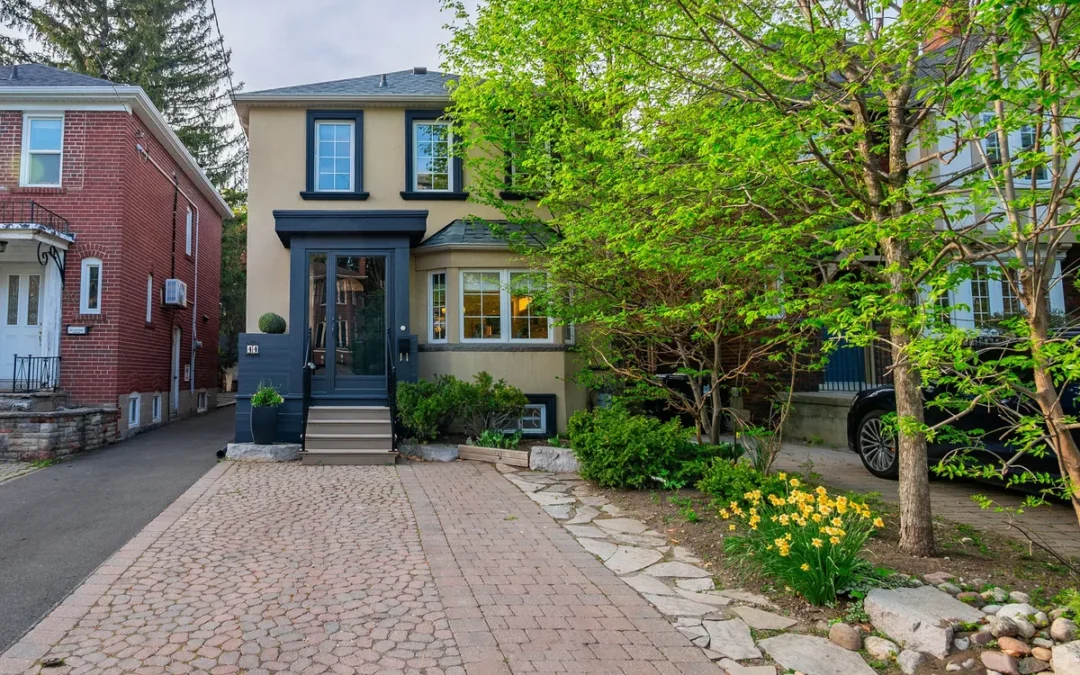
This four-bedroom house only collected one offer over six weeks on the market last spring, even after the asking price was reduce from $2.9-million to $2.749-million. The sellers turned that offer down and decided to bide their time. A spike in sales this March pushed them to relist at a new price of $2,589,000. Within days, they had three bids, one of which met their target price.
“Right as the market was starting to shift and rates were starting to rise, the sellers weren’t prepared to sell it, so we took it off the market,” said agent Brayden Irwin.
“At the end of January, the Bank of Canada announced they were going to hold interest rates, so all of a sudden, we started to see more activity on the buy side. And for the first time in a while, we saw properties selling fairly quickly in multiple offer [scenarios], so we thought it was a good time to bring the property back to the market.”
There are two entertaining areas on the main and lower levels.
What they got
This two-storey house was built in the 1940s and has been recently modernized with hardwood flooring throughout and an updated kitchen with bench seating and stainless-steel appliances.
There are two entertaining areas on the main and lower levels.
The major attraction upstairs is a primary bedroom with sky lights, a walk-in closet and the largest of the home’s four bathrooms, plus a deck overlooking the back yard and the larger deck and stone patio below.
The 25- by 185-foot lot also offers parking.
The major attraction upstairs is a primary bedroom with sky lights and a walk-in closet.
The agent’s take
“[Most] buyers were growing families looking for more space, and there were some people who were in a larger home and looking to downsize but stay in the neighbourhood,” Mr. Irwin said.
“The main-floor layout was a bit unique because we didn’t have a kitchen with a family room off the back, it was almost like a den between the dining room and kitchen.”
An upstairs deck overlooks the back yard and the larger deck and stone patio below.
Listing agents: Carol Lome and Brayden Irwin, Royal LePage Real Estate Services Ltd., Johnston and Daniel Division
The action
Open entertaining area with a fireplace, skylights and a private terrace.
This more than 20-year-old house is an anomaly in Riverdale with its two-bedroom plan and in-ground pool. The kitchen and bathrooms were somewhat dated, so the price was set conservatively at $2,195,000. Two offers were tendered, with the higher going $71,500 over asking.
“October was kind of a transitional market in the east end, around Withrow Park, Broadview and Danforth [avenues],” said agent Carol Lome.
“There were three houses [listed] in the area, and interesting enough, they all went in multiple offers.”
What they got
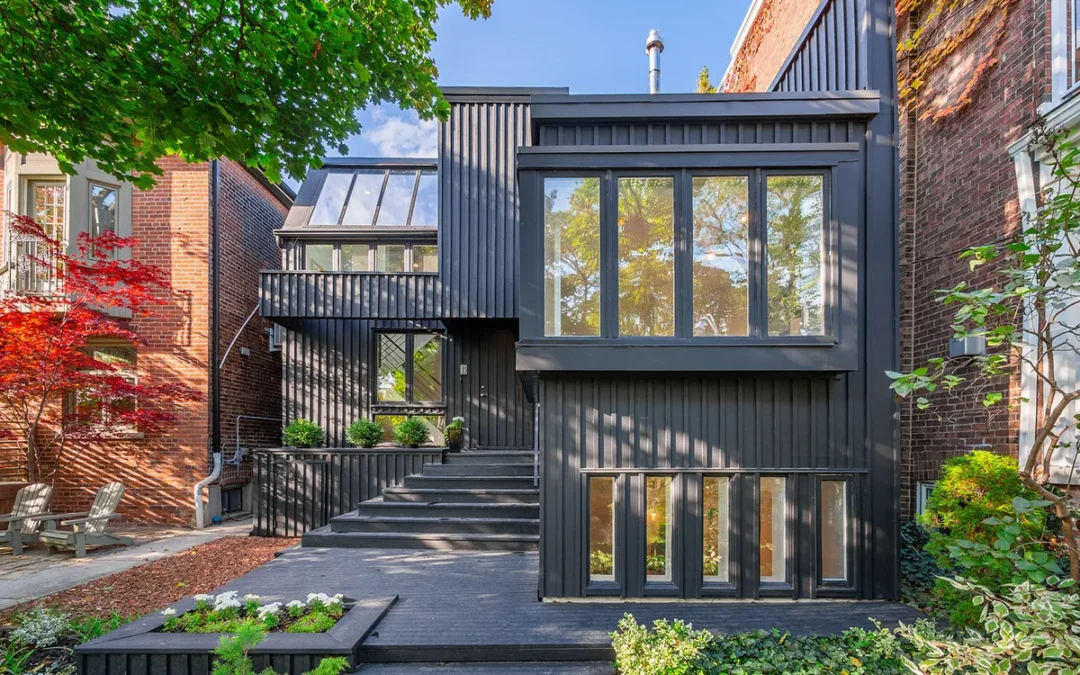
In a prime Riverdale location set high above a short street running west from Withrow Park, this two-storey house has 1,705 square feet of living space, including two bedrooms on the main level and a kitchen on the second floor.
Open entertaining areas are located on each level. The smallest one is in the basement, while the largest one is two floors above with a fireplace, skylights, and a private terrace.
The agent’s take
“This house was very unique because it was very much a West Coast [style] home,” Ms. Lome said.
“Once people were inside, they were in awe and couldn’t believe the light and charm. It was like a treehouse, you look into old maples, and the skyline and CN Tower beyond.”
The 29- by 115-foot lot is also six to 10 feet wider than average, allowing for outdoor assets rare in urban Toronto. “It even has a plunge pool in the backyard, so it was ahead of its time,” Ms. Lome said.
“And it had a two-car carport, so there were a lot of people intrigued to do a laneway house.”
Listing agents: Carol Lome and Brayden Irwin, Royal LePage Real Estate Services Ltd., Johnston and Daniel Division
The action
The entire unit had a high-end renovation.
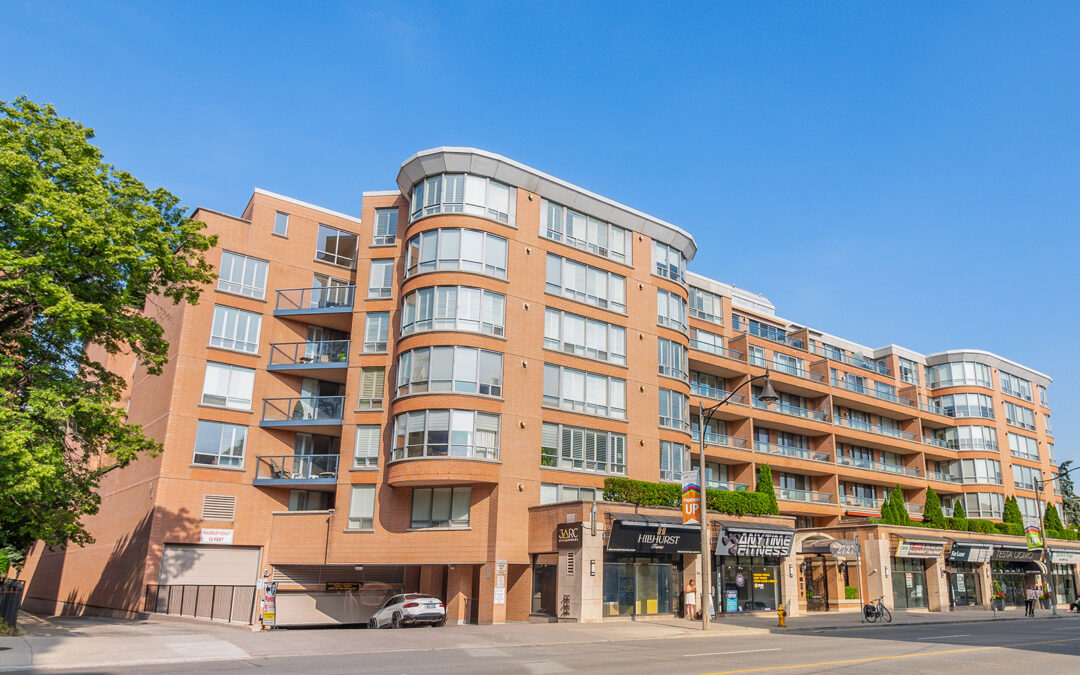
This updated, three-bedroom condo in a mid-rise building near Alexander Muir Memorial Gardens had a lot of interest right off the bat, mainly from local downsizers looking to keep a foothold in Lawrence Park.
“There aren’t many [condominiums] in that neighbourhood, and this one was over 1,700 square feet,” agent Brayden Irwin said.
“Overall, in Toronto, there’s less inventory of units of that size, and even less three-bedroom units, many of which have not been renovated or have the same quality in them.”
Within days, the seller had two offers, accepting one that added $82,500 to the asking price.
“It goes to show that it’s not all doom and gloom in the Toronto market,” Mr. Irwin said.
“When there’s good product in good neighbourhoods, people are still looking to buy, and sometimes there are not a lot of options for that type of property.”
What they got
The unit has two access points to a wide balcony.
This more than 20-year-old suite has a laundry room with a sink, a living room with a fireplace and a dining area with one of two access points to a wide balcony.
The kitchen was recently retooled with a nine-foot long island, marble countertops and upscale appliances, as well as hardwood flooring and pot lights.
The primary bedroom contains a walk-in closet and a four-piece bathroom.
The unit includes a storage locker and two parking spots. Monthly fees are $1,655, which pays for 24-hour concierge and use of a gym, pool and rooftop deck.
The agent’s take
The unit features hardwood flooring and pot lights.
“The whole unit had a high-end renovation, so it was quite beautiful,” Mr. Irwin said.
“And it looked out over the treetops east of the building.”
There are multiple exits to two rear decks and a south-facing back yard, abutting the Chatsworth Ravine near Alexander Muir Memorial Gardens.
Listing agents: Carol Lome and Brayden Irwin, Royal LePage Real Estate Services Ltd., Johnston and Daniel Division
The three-storey house boasts a formal foyer and classic living and dining rooms.
The action
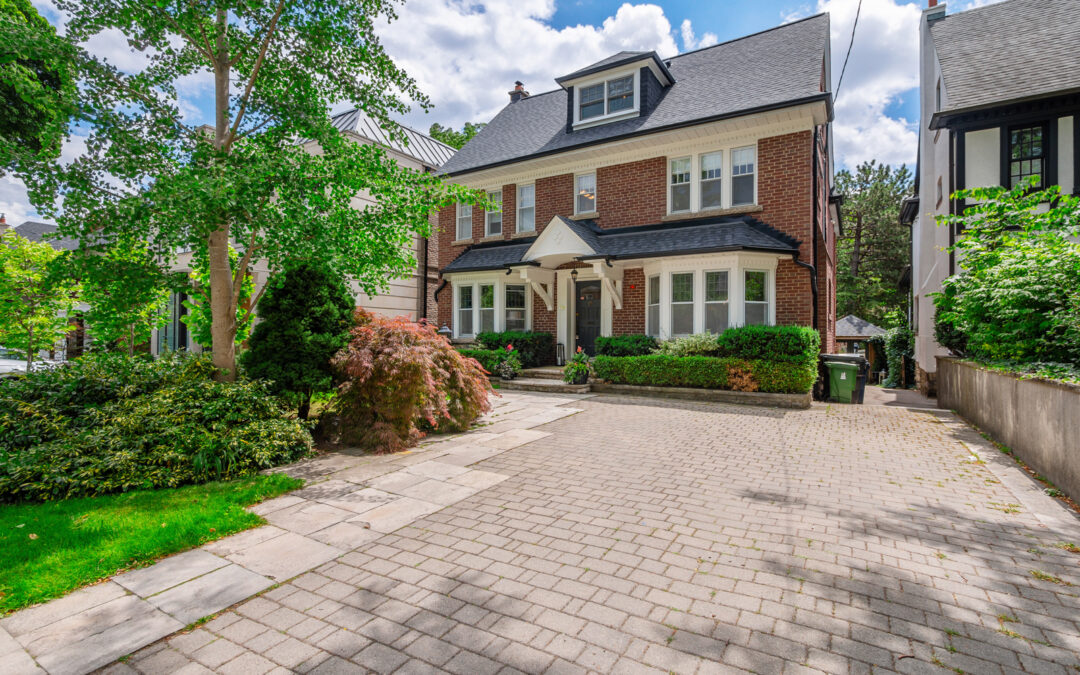
Agent Carol Lome went overboard preparing this updated, five-bedroom house, from staging the interiors to managing dozens of guests requesting preview tours 48 hours before its formal launch. She took a more restrained approach to the asking price, opening with $3.579-million.
“We didn’t price it a couple hundred thousand below market, which some agents do,” Ms. Lome said.
“It was very well received, and I was a little surprised only because it was the middle of July when it was hot and agents were saying the market is slow.”
In fact, three bidders fought for the property, which sits on a 42- by 265-foot lot abutting Chatsworth Ravine near Alexander Muir Memorial Gardens. “There weren’t any comparables in this price range in Lytton Park,” Ms. Lome said.
“It sold the day interest rates were announced.”
Three bidders fought for the property, which eventually sold for $3,679,000.
What they got
This three-storey house provides 3,066 square feet of living space with multiple exits to two rear decks and a south-facing back yard.
Parts of the original centre-hall design from the 1920s remain, such as a formal foyer and classic living and dining rooms with a fireplace and wainscotting, respectively. Additional lounging areas include a den and breakfast area off the revamped kitchen, as well as recreation rooms on the second and lower levels.
Conveniences include an 8- by 12-foot wine cellar and five contemporary bathrooms, including a primary ensuite.
Three vehicles can park on the driveway.
There are multiple exits to two rear decks and a south-facing back yard, abutting the Chatsworth Ravine near Alexander Muir Memorial Gardens.
The agent’s take
“It’s a very pretty Georgian house with great curb appeal,” Ms. Lome said. “It’s close to the subway and great schools, and it’s on a ravine lot with a lot of tableland.”