Toronto Luxury Homes

A Summer Opportunity for Toronto Buyers

If you’re considering a move to neighbourhoods like Lytton Park, Lawrence Park, Allenby, or Forest Hill, this summer may offer an opportunity that wasn’t available just a few years ago.

The latest Toronto Regional Real Estate Board (TRREB) data shows a market that is gradually gaining momentum. Home sales increased in May compared to last year, while fewer new listings came to market. While buyers continue to have choice, the market is showing signs of becoming more competitive than it was earlier in the year.

Buyers Have More Breathing Room:

For much of the past decade, buying a family home in Midtown Toronto often meant competing against multiple offers, making quick decisions and accepting significant uncertainty. Today’s market feels different.

While desirable homes continue to attract attention, buyers generally have more time to evaluate properties, conduct inspections, review financing and make thoughtful decisions.

Prices Have Stabilized While Inventory Remains Available:

Although prices in Toronto’s most sought-after neighbourhoods remain strong, the rapid price growth seen during previous market cycles has moderated. For buyers who have been waiting for more choice and less pressure, the current environment offers a more balanced experience.

Summer Creates Unique Opportunities:

Many buyers focus their search during the spring market. By July and August, attention often shifts to vacations, summer activities and preparations for the upcoming school year. While serious buyers remain active, the overall pool of competition frequently becomes smaller. This can create opportunities for buyers who are prepared and ready to act.

We’ve often found that some of the best opportunities arise during periods when fewer buyers are actively searching, particularly in established family neighbourhoods where inventory is limited and quality homes rarely stay available for long.

What We’re Watching

The May TRREB data showed two important trends: sales activity increased while new listings declined. When demand begins to strengthen and supply starts to tighten, market conditions can shift relatively quickly.

The best time to buy is when the right home, neighbourhood and financial circumstances align for you or your family. That said, the current market offers some stability. Interest rates have become more predictable. Buyers have more choice than they had during previous market peaks. For buyers planning a move this year, the current market may offer a compelling combination of choice, stability, and opportunity. 

For personalized guidance on how to navigate the summer market, reach out to us at lomeirwin@clientcare.com 

The Early Spring Buyer Advantage

There is a particular moment in Toronto’s real estate calendar that tends to pass quietly. Winter has begun to recede, sidewalks are busier and the city is shifting its attention toward spring. Early spring is when the real estate market starts to reawaken. For buyers who are paying attention, this period can offer an advantage that is both subtle and significant.

By March and early April, listings are returning to the market with greater consistency. Sellers who waited out the winter are ready, homes are beginning to show at their best and inventory is building. Yet buyer activity has not fully caught up. The urgency and intensity that define late spring have not yet taken hold, creating a brief window where choice exists without chaos.

The Slower Pace Creates Better Decisions

The change of pace matters. Early spring allows buyers to approach the process with intention rather than reaction. There is time to view homes more than once, to consider layout and light and to weigh options against long-term needs. Decisions are made with greater clarity because the pressure to act immediately is reduced. In a market that often rewards speed, early spring can reward a more thoughtful approach.

Sellers are Ready to Move Forward

Sellers active at this time of year tend to be prepared and purposeful. Many are moving within a set timeline, tied to work changes, family planning, or an already-secured next home. As a result, conversations feel more structured. There is often flexibility around possession dates and terms. Negotiations are less likely to be shaped by emotion or urgency alone. 

Learning from the Market Before it Accelerates

Watching how new listings are priced, how long they stay on the market, and which homes generate interest provides valuable insight and perspective for buyers. Patterns begin to emerge. Buyers gain a clearer understanding of what represents strong value and what may be driven more by optimism than reality. By the time the market accelerates, early spring buyers are better informed and more confident in their decisions.

Advantages for Families

For families, the benefits are both practical and personal. Purchasing earlier in the season creates space to think ahead rather than react. It provides time to coordinate a summer move, ease through school transitions and plan renovations without stacking everything at once. With fewer overlapping pressures, the experience feels more measured and far more manageable, which can make all the difference during a significant life transition.

When Buyers Can Truly Experience the Area

There is also a subtle emotional shift that comes with early spring. As daylight stretches and natural light returns, homes feel brighter and more open. Streets become walkable again, front gardens reappear and neighbourhood rhythms start to surface. Buyers can picture morning routines, after-school walks and summer evenings with greater clarity than they could in mid-winter, without the urgency that often defines peak spring. 

Moving Before the Rush

The early spring market requires readiness and a willingness to act before the broader crowd arrives. For buyers who value calm over competition and clarity over urgency, it offers a rare opportunity.

In real estate, timing is often discussed in terms of moving faster or waiting longer. Sometimes the real advantage lies in moving before the rush.If you’re looking for specific market advice, reach out to us at clientcare@lomeirwin.com.

Planning a Move in 2026? Don’t Let Deferred Maintenance be your Biggest Regret! 

If selling your home in 2026 is on your radar, now is the time to think about maintenance. One of the most common regrets sellers share after a sale is waiting too long to address repairs and updates.

Deferred maintenance often feels more manageable while you are living at home. Then, just before listing, many sellers rush to complete improvements. While these updates usually help sell your home, sellers rarely get to enjoy them while they are living there and often wish they had acted sooner.

Buyer Expectations

Today’s buyers are careful and detail-focused! 

In a market where buyers have choices, condition matters. Homes showing signs of deferred maintenance attract more scrutiny.

When buyers see unfinished repairs or aging systems, they feel justified asking for a price adjustment. Addressing maintenance early is more cost-effective than negotiating it later.

Last Minute Updates

Many sellers spend money shortly before listing by painting, updating fixtures, replacing flooring, or refreshing kitchens and bathrooms. These improvements are worthwhile but enjoyed only briefly, often just during the closing period.

Planning ahead allows you to spread out costs, reduce stress, and enjoy the updates while you still live in the home.

Looking Ahead

If a 2026 sale is your goal, early preparation puts you in a stronger position. Ongoing maintenance helps protect your home’s value and makes the selling process smoother.

2026 Home Preparation Checklist:

12 to 18 Months Before Selling

  • Walk through the home and note needed repairs
  • Service heating, cooling, and ventilation systems
  • Inspect the roof, gutters, and attic and clean accordingly
  • Review plumbing and electrical components

3 to 6 Months Before Selling 

  • Paint interior walls in light, neutral colours
  • Update lighting and hardware
  • Replace outdated window coverings
  • Improve landscaping and curb appeal
  • Power wash exterior surfaces

6 to 12 Months Before Selling

  • Update kitchen and bathroom fixtures
  • Regrout or repair tile
  • Fix doors, windows, and trim
  • Repair or replace worn flooring

Final Preparation

  • Declutter and depersonalize
  • Deep clean the home
  • Complete minor touch ups
  • Prepare for professional photography

Final Thoughts

Well maintained homes sell more smoothly and with fewer surprises for both sellers and buyers. 

If a move in 2026 is part of your plan, preparing now helps avoid last-minute decisions and allows you to enjoy the improvements along the way.

If you would like help prioritizing updates or creating a clear preparation plan, reach out to the Lome Irwin Team at clientcare@lomeirwin.com

What Ontario’s New Bill 60 Means for Realtors in 2025: Opportunities, Risks, and How to Stay Ahead

With the recent passage of Bill 60 the Fighting Delays, Building Faster Act, 2025, Ontario has launched one of its most significant housing reforms in years! 

Designed to accelerate development, simplify planning processes, and overhaul key rental-housing rules, the legislation is set to reshape the province’s real estate landscape.

Most of the attention so far has been on what this means for tenants and landlords, but anyone involved in the housing market will feel the impact. Bill 60 could influence where new homes get built, how quickly projects move forward, and how the rental market functions in the years ahead.

Here’s a clear, easy-to-understand breakdown of what Bill 60 means for the Toronto real estate market. 

1. Faster Development Approvals 

One of the main goals of Bill 60 is to speed up how quickly new housing projects get approved. By reducing delays, giving the province more authority, and simplifying some zoning rules, the process becomes much more efficient.

What this means for the market:

  • More mid-rise and high-rise buildings, especially near major transit lines
  • Developers moving from planning to construction more quickly
  • More predictable rules across municipalities, making it clearer where future growth will happen

As a result, more homes and condos will enter the market sooner, giving buyers more options and creating new opportunities in emerging neighbourhoods.

2. Faster Oversight for Investment Properties 

Bill 60 also brings significant changes to the rules that govern renting and evictions. These updates aim to speed up the process at the Landlord and Tenant Board and create more certainty for landlords.

Key changes include:

  • Faster eviction processes for non-payment of rent
  • Shorter notice periods
  • Quicker, more structured Landlord and Tenant Board hearings
  • Fewer requirements for landlords when they need a unit back for their own use

Whether viewed positively or negatively, these changes lower the perceived risk of owning a rental property.

How this may affect the market:

  • Smaller investors who stepped away during years of delays and uncertainty may return to the condo market
  • Larger investors may see Ontario as a more predictable, stable place to invest
  • More rental units may be renovated, repositioned, or upgraded

Overall, the investment landscape becomes more appealing, which could lead to increased activity in Toronto’s condo and rental markets.

3. Emerging Hotspots Around Transit and Growth Corridors

Bill 60 prioritizes faster development in areas that the province has identified for growth, especially neighbourhoods connected to major transit lines. 

Areas to watch include:

  • TTC and GO Transit expansion zones
  • Future Ontario Line stations
  • Municipalities within designated provincial growth areas
  • Neighbourhoods where zoning rules previously slowed development

These locations are likely to experience:

  • Rapid population and housing growth
  • New condo and mid-rise launches
  • More competitive pricing in early stages
  • Increased interest from investors looking for long-term value

For buyers, this opens the door to promising up-and-coming neighbourhoods. For anyone tracking market trends, staying informed about transit plans and municipal updates will offer a meaningful advantage.

4. A Revitalized Market for Buyers and Sellers

Even though more housing is expected in the coming years, it won’t instantly balance the market, but it will shape how people make decisions.

For buyers, this may mean:

  • More options in certain segments, especially condos and new builds
  • Less pressure to rush, with more units becoming available
  • Growing interest in pre-construction and emerging neighbourhoods tied to transit

For sellers, this may mean:

  • Increased competition, particularly in the condo and new-development space
  • The need for strategic pricing and strong marketing to stand out

What does it mean for established segments?

Overall, these changes mean buyers and sellers may need to look for more guidance. Understanding how Bill 60 affects future supply and neighbourhood growth becomes essential for making confident decisions.

5. More Data and Regulation

As more legislation impacts planning, zoning, and tenancy, clients expect their realtor to:

  • Understand the regulatory landscape
  • Interpret development timelines
  • Explain risks and benefits for investors
  • Provide neighbourhood growth projections
  • Anticipate how supply will shift over 3-10 years

Final Thoughts: Bill 60 Marks a New Chapter for Ontario Real Estate

Bill 60 introduces changes that will shape the housing market for years to come – from how quickly new homes are built to how investors, buyers, and sellers make decisions. 

It will bring new opportunities, new neighbourhood growth, and a shifting landscape that will influence pricing, supply, and the overall feel of communities across the province.

For anyone navigating the market, understanding these changes can help you make informed decisions. 

Our role is to stay on top of these developments, watch how they unfold across Toronto, and guide you through the decision-making as they impact your plans. 

As the market evolves, having clear advice and up-to-date insights becomes more valuable than ever. If you have questions about how Bill 60 may affect your neighbourhood, your home value, or your next move, we’re here to help.

Reach out to us at clientcare@lomeirwin.com

Globe & Mail – Done Deals: Downtown Toronto Townhouse Unit Goes $117,000 Over Asking | Published March 30th, 2021

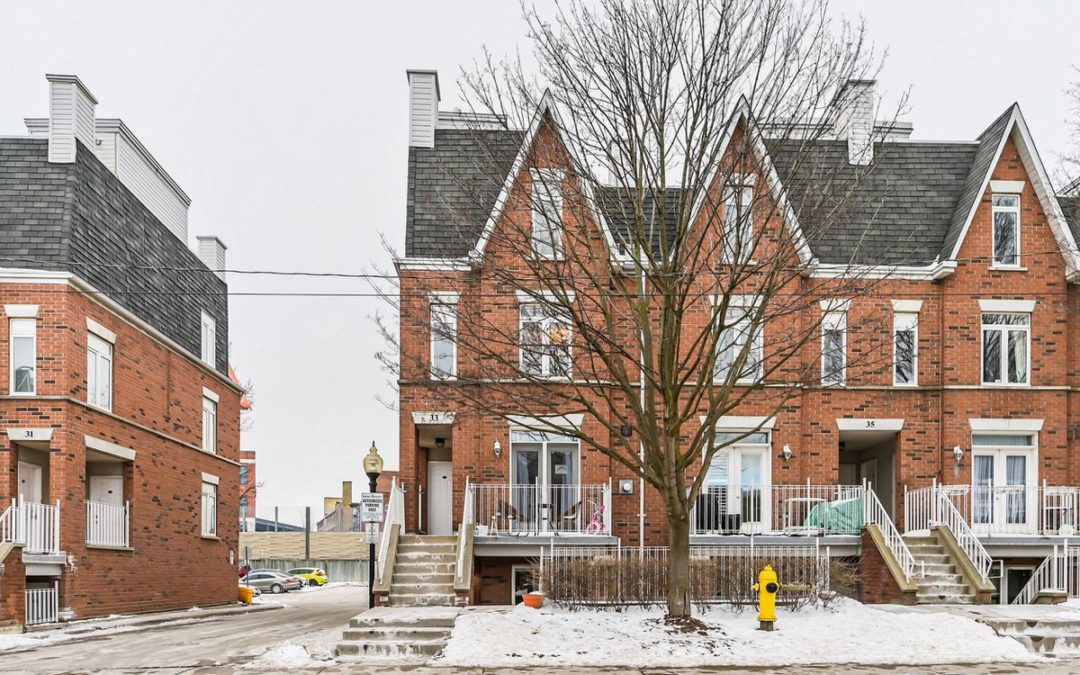
33 Sudbury St., No. 3303, Toronto

Asking price: $699,000 (February, 2021)

Selling price: $816,000 (February, 2021)

Previous selling price: $517,000 (June, 2016); $245,000 (December, 2004); $149,215 (January, 2000)

Taxes: $2,741 (2020)

Days on the market: six

Listing agents: Brayden Irwin and Carol Lome, Royal LePage Real Estate Services Ltd., Johnston and Daniel Division

The action

This two-bedroom townhouse was painted and staged before about 90 potential buyers came through for in-person visits. Anticipating added competition from an influx of new inventory, the realtor moved up the date on which offers would be considered and a total of nine bids were received. A proposal of $117,000 over asking was accepted.

“There was maybe one or two other townhouses on the market at the same time, but leading up to that, there really hadn’t been anything,” said agent Brayden Irwin.

“The week before we saw a townhouse had sold in multiples, so it was our first indication the condo market was showing signs of life.”

What they got

This upper-level end unit is among a long row of one and two-storey townhouses just south of the Centre for Addiction and Mental Health. It has 885 square feet of living space and a rooftop deck.

Sunlight filters through south-facing windows in the bedrooms and an open principal room. The kitchen is outfitted with stainless steel appliances.

A space on the surface parking spot is included with the unit. Monthly fees of $483 cover all utility costs.

The agent’s take

“There are lots of these floor plans, but what made this so special was the rooftop terrace and also having direct street access,” said Mr. Irwin.

“A lot of people – especially coming out of COVID-19 – were less excited about getting in and out of elevators, and if you had a pet, it made it easier to take the dog out for a walk.”

~

https://www.theglobeandmail.com/real-estate/toronto/article-downtown-toronto-townhouse-unit-goes-117000-over-asking/

Haven Lifestyles: This Past Week’s Top 3 Homes Sold In Greater Toronto | Posted March 15th, 2021

Toronto’s real estate market is doing exceptionally well, especially in recent months. Just last month, there were 3768 homes sold in the area and the asking price for homes has decreased by 4.5% since February of last year. Meanwhile, the number of homes on the market has increased by 34.4%, according to Redfin’s latest report.

We’ve curated a few of the most recent luxury properties that were sold within the past week, which includes fabulous entryways, crystal chandeliers, and classic interiors.


The most expensive home is an elegant 8,400 square foot estate located along Fifeshire Rd. The massive residence was sold last Thursday and originally listed for listed for $9,880,000.

This spectacular home offers tons of natural light with south facing windows as well as a grand marble hall, complete with a classic “Scarlet O’Hara staircase”. Fantastic aspects include heated bathroom floors, vaulted ceilings, a media room, salt water pool and exercise/recreational rooms.

Luxurious amenities offered at 18 Fifeshire Rd include a wine fridge, bosch appliances, custom built-ins, warm drawers, and speakers. When asked about what stood out to the buyers, listing agent Justin Cohen commented “The stunning ravine lot, and size of home is what appealed to the Buyers. Also the above ground basement so it was like an extra floor of living space.”

“We were able to sell it successfully, in multiple offers in only a couple of days because we were deliberate in setting a realistic price that would draw in the most amount of qualified buyers. Also, our 3D virtual tour helped to get serious buyers come see the house right away as they were able to walk through the home online, instantly.”


The second priciest residence is an extraordinary 4.1 bedroom, 8 bathroom limestone estate that was sold and originally listed for $7,480,000.

Located at 92 Highland Cres, this “Crown Jewel Of York Mills” offers residents incredibly high ceilings and over 8000 square feet of luxurious living space. The elegant-meets-modern home is decked out in brushed brass accents, white marble, and skylight with crystal chandelier.

Perfect for entertaining and health/wellness obsessives, additional spaces include a huge gym, spa, theater room, and sauna.


The third and final luxurious property that was recently sold is a timeless 5 bedroom, 5 bath home in the heart of Lytton Park.

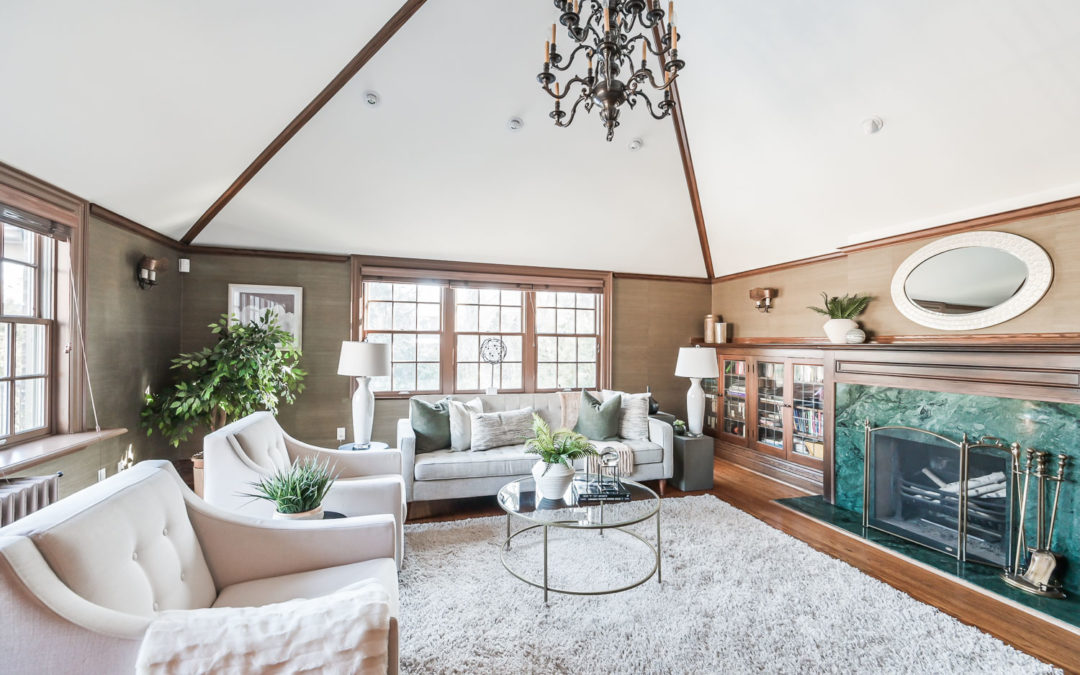
Graciously decorated and tastefully updated, 113 Strathallan Blvd was listed at $3,999,000 and sold for 111% of list in just one day. This charming property includes re-finished hardwood floors, cozy fireplace and floor-to-ceiling windows.

The formal living areas and eat-in kitchen are primed for entertaining with impeccable mouldings and granite countertops. There’s even heated flooring throughout the lower level of the home, along with a media room, gym, and wine cellar. The sellers of 113 Strathallan Blvd were represented by Carol Lome of Lome Irwin Real Estate.